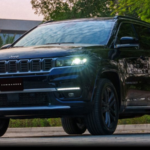
New 2026 Jeep Wagoneer S Review: Interior, Safety, Towing & U.S. Pricing – The 2026 Jeep Wagoneer S brings the iconic Wagoneer name into the electric‑SUV era for U.S. buyers, combining Jeep’s brand heritage with a fully electric powertrain and modern tech. With the shift to a battery‑electric vehicle (BEV) format, the Wagoneer S targets those who want premium large‑SUV space and capability in the U.S., but with zero tailpipe emissions and the latest EV features.
What’s New for 2026 Jeep Wagoneer S
Fully electric architecture & model positioning
The Wagoneer S is built on a dedicated EV platform (STLA Large architecture) and is positioned as Jeep’s full‑electric large‑SUV offering in the U.S. market.

New features & performance highlights
-
The electric powertrain develops around 600 hp and ~600 lb‑ft of torque in its most capable version, delivering 0‑60 mph times around 3.4 seconds.
-
A ~100 kWh battery pack gives an EPA‑estimated driving range of roughly 300+ miles in U.S. usage.
-
Fast‑charging capability: from ~20 % to ~80 % in around 23 minutes using DC fast‑charging.
-
Standard all‑wheel drive across the lineup.
What this means for U.S. buyers
For U.S. buyers looking at full‑size electric SUVs, the 2026 Jeep Wagoneer S offers a blend of performance, range and brand identity. It also gives Jeep fans an electric alternative rather than waiting for plug‑in hybrids.
2026 Jeep Wagoneer S Interior
Cabin design & material quality
Inside the Wagoneer S, expect upscale materials, large display screens, advanced connectivity (wireless Apple CarPlay/Android Auto), and premium touches like optional high‑end audio systems.
Comfort & usability
Although the Wagoneer S is positioned as a large vehicle, note that because the BEV version tends to seat five (as opposed to typical eight‑passenger setups), U.S. buyers should confirm exact seating configuration. Comfort features include heated/ventilated seats, multi‑zone climate control, and ambient lighting in higher trims.
Cargo & practicality
Cargo volume remains strong thanks to the EV layout’s flexibility. U.S. buyers will appreciate the lower floor (thanks to battery pack) and – in many cases – front trunk (“frunk”) storage. For families, this means more versatility in loading gear, especially in day‑to‑day and long‑trip use.
Practical considerations for U.S. owners
-
If you regularly carry more than five passengers, confirm whether the model offers third‑row seating or large cargo behind.
-
Consider how the EV floor height (battery pack) affects loading and ease of use for daily duties.
-
If you do a lot of long trips or haul gear, check the cargo specs for U.S. versions and how features like fold‑flat seats work.
Safety & Driver Assistance
Safety architecture & hardware
The 2026 Jeep Wagoneer S includes a strengthened safety cage, multiple airbags, modern EV‑specific structural design, and advanced crash‑protection systems.
Driver assistance & technology features
In the U.S., expect a rich set of driver‑assistance systems: adaptive cruise control with stop‑and‑go, lane‑centering assist, automatic emergency braking with pedestrian/animal detection, blind‑spot monitoring, rear‑cross traffic alert, surround‑view cameras, trailer‑assist features, and more.
What U.S. consumers should check
-
Which driver‑assist features are standard vs optional at U.S. trim levels.
-
How the EV powertrain and battery impact safety (e.g., rollover, battery fire protection) in U.S. federal/state testing.
-
Whether towing/generic heavy‑use features (for U.S. full‑size SUV buyers) are fully available with the electric version.
Trim Levels & Pricing (U.S. Estimate)
Estimated U.S. pricing
U.S. pricing for the 2026 Jeep Wagoneer S is projected to start around $75,000 for the base model, with higher trims (larger battery, luxury appointments) reaching into the $90,000+ range.
Expected U.S. trim structure
-
Entry electric trim: basic features, full electric powertrain.
-
Mid‑level trim: more luxury features (premium audio, upgraded interior materials).
-
Top‑end trim: maximum performance (600 hp), most tech, premium materials.
U.S. buyer key takeaways
-
Because this is an EV, check local/state incentives in the U.S.—those can reduce effective cost.
-
Upgraded trims/large battery options will drive cost higher, so balance features vs budget.
-
For resale value and coverage, ensure dealerships in your U.S. region support the EV (charging, servicing).
2026 Jeep Wagoneer S Performance
Powertrain & drivetrain
With dual‑motor AWD standard and high output (≈600 hp), the Wagoneer S delivers brisk acceleration for a large SUV. The 100 kWh battery provides U.S. range of ~300+ miles.
Efficiency & charging
Unlike internal‑combustion large SUVs that often return <20 mpg, the Wagoneer S can deliver electric‑MPGe equivalents exceeding 100 MPGe in U.S. testing (for the BEV version). DC fast charging times (20‑80%) in ~23 minutes add convenience for U.S. long‑distance travel.
Towing and utility
While EVs in the large‑SUV class are still catching up on towing compared to gas models, the Wagoneer S supports respectable towing capacity for the class (though confirm the exact U.S. figure). For many U.S. buyers who tow boats or trailers, verify capacity and extra battery/efficiency effects.
U.S. buyer take‑away
-
If you frequently drive long highway trips or tow, check how the real‑world range and charging network in your U.S. region support your needs.
-
EV large SUVs like this appeal most when you have access to home charging and intermittent long‑distance travel.
-
Compare operational cost (electricity vs gasoline) and maintenance benefits over time for the U.S. market.
Should You Consider It?
Strengths
-
For U.S. buyers wanting a large luxury SUV with premium feel and electric powertrain, the 2026 Wagoneer S is compelling.
-
Strong performance (0‑60 ~3.4 s), modern tech, and brand heritage make it stand out in the U.S. large EV SUV space.
-
As an EV, it offers lower operational emissions and may qualify for U.S. incentives and reduced maintenance.
Considerations / Weaknesses
-
Higher initial cost compared to some internal‑combustion equivalents in the U.S. market.
-
Charging infrastructure and range still matter for U.S. owners who do frequent long trips—gas‑SUV rivals may still have advantages.
-
If you rarely carry full three rows of passengers or don’t need large‑SUV size, a smaller/less expensive EV or SUV may provide better value.
Ideal U.S. buyer
If you live in the U.S., have space for a large SUV, are ready to adopt an EV (with home charging or good local infrastructure), and value performance + luxury + brand heritage, the 2026 Wagoneer S is a strong choice. If you primarily do city driving or only carry few passengers, consider whether a smaller model might suit you better.
2026 Jeep Wagoneer S Price & Release Date
U.S. timeline
The 2026 Jeep Wagoneer S is expected to reach U.S. showrooms by early 2026, with order banks opening in late 2025.
U.S. pricing snapshot
-
Estimated base MSRP: around $75,000 for entry electric version.
-
Mid to top trims: likely $90,000+, depending on battery size, features, and luxury packages.
-
U.S. incentives: Potential for federal EV tax credit (depending on eligibility) plus state/local rebates in many U.S. regions.
-
Be aware of possible wait‑lists or delivery queues for electric large SUVs in the U.S.
In the U.S. large‑SUV and electric‑SUV segment, the 2026 Jeep Wagoneer S offers a compelling mix of power, range, premium features and brand identity. For U.S. buyers who want the space and presence of a big SUV combined with the benefits of electric drive, this is one of the most interesting options.
That said, its higher cost and the infrastructure/practicalities of EV ownership mean it’s best suited for U.S. buyers who are ready for that step. If you heavily tow, drive long distances frequently without access to charging, or primarily do short local trips, make sure you evaluate how well this vehicle fits your U.S. lifestyle and total operating costs.