New 2026 Jeep Wagoneer Redesign: Specs, Price and Release Date – The 2026 Jeep Wagoneer brings Jeep’s take on the full‑size SUV to U.S. buyers who want spacious three‑row seating, strong towing capability, and modern tech. With a recent refresh and new powertrain options, it aims to compete in the large SUV segment at a more accessible price point. This article will walk through what’s new, interior and cargo features, safety and driver‑assist technology, trim levels and estimated pricing in the U.S., performance and efficiency, whether it should be considered, and finally the release‑date outlook.
What’s New for 2026 Jeep Wagoneer
Model repositioning and naming
For 2026, Jeep has streamlined its large‑SUV lineup in the U.S., putting the Wagoneer (and the “Grand Wagoneer”) front and center. One source suggests that the simpler Wagoneer nameplate has been retired in favour of the Grand Wagoneer for clarity, but regardless the 2026 model brings key updates.

Exterior and design updates
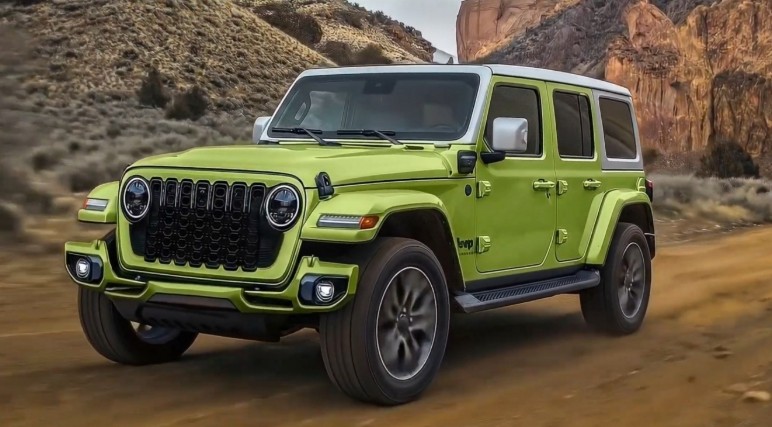
The 2026 Jeep Wagoneer refresh includes a cleaner front‑fascia design, new lighting signature, revised wheels and trim accents to modernize the large‑SUV look.
Powertrain & drivetrain changes
A major change for the U.S. market: the 2026 Jeep Wagoneer will offer a twin‑turbo 3.0‑litre inline‑6 as standard in many trims, with a range‑extended electric vehicle (REEV) variant arriving later. The 3.0 L inline‑6 delivers about 420 hp and 468 lb‑ft of torque. The REEV version is expected to produce up to 647 hp and 620 lb‑ft.
Price repositioning
Jeep indicates the 2026 Wagoneer (or Grand Wagoneer) will start under $65,000 in the U.S., aiming to offer more value in this segment.
2026 Jeep Wagoneer Interior
Cabin design & materials
The interior of the 2026 Jeep Wagoneer has been upgraded for U.S. buyers with premium materials, available Nappa leather seating, quilted finishes in higher trims, and new colour and trim palettes.
Seating, comfort & usability
With three rows of seating accommodating up to eight passengers (in typical full‑size SUV fashion), the Wagoneer is designed for U.S. families and large‑group travel. Higher trims add features like heated/ventilated seats, premium audio, and advanced infotainment.
Cargo & practicality
In U.S. usage scenarios—road trips, hauling gear, towing—the Wagoneer offers generous cargo space behind the third row and substantial load area when rows are folded. While specific new numbers for 2026 for U.S. spec are not yet widely published, previous versions offered large cargo volumes.
Considerations for U.S. buyers
-
If rear‑seat and third‑row space are a priority (for kids, car‑pooling or gear), the Wagoneer is strong.
-
If you frequently carry large items or tow, check for cargo/towing specs in the U.S. version.
-
In higher trims, expect luxury‑level comfort and materials—so if budget is a concern, compare base vs loaded versions.
Safety & Driver Assistance
Safety architecture & hardware
The 2026 Jeep Wagoneer brings enhancements to structural safety systems and driver‑assist hardware for U.S. buyers. One review mentions side‑impact door reinforcements, improved airbag deployment timing, and more comprehensive sensor coverage.
Driver‑assist & technology features
In U.S. spec, buyers should expect standard features such as blind‑spot monitoring, rear cross‑traffic alert, adaptive cruise control (with stop‑and‑go), front collision warning with active braking, surround‑view cameras, and automated parking assistance. Optional or higher‑trim features may include night‑vision pedestrian/animal detection and trailer‑assist functions.
What U.S. consumers should check
-
What driver‑assist features are standard vs optional in each trim.
-
How the towing‑ and trail‑related assist features (if any) work in U.S. spec (important for large‑SUV users).
-
Warranty, service network coverage and how off‑road or towing use affects safety/maintenance.
Trim Levels & Pricing (U.S. Estimate)
Estimated U.S. pricing
The 2026 Jeep Wagoneer is estimated to start in the U.S. around $63,000 to $65,000 for base models, with higher trims (luxury, premium packages) rising well into the $80,000+ range.
Expected U.S. trim lineup
-
Base/Series I: entry‑level luxury full‑size SUV offering three‑row seating and standard features.
-
Mid‑level/Series II: adds comfort, tech and possibly towing/upgrade packages.
-
Top‑end/Series III or “Ultimate”: luxury materials, premium audio, advanced powertrain options (like REEV).
U.S. buyer key take‑aways
-
Consider how many seats/rows you need and whether you’ll use the third row often.
-
Upgrading beyond base trims adds features but also cost—make sure you will use them.
-
Check for optional powertrain upgrades (e.g., REEV) and how much they add.
-
Investigate any federal or state incentives for hybrid or electric variants (if offered) in the U.S.
2026 Jeep Wagoneer Performance
Powertrain & drivetrain performance
The standard 3.0‑liter twin‑turbo inline‑6 delivers about 420 hp and 468 lb‑ft, a strong output for a full‑size U.S. SUV. The forthcoming REEV variant (with electric motors + generator) will push up to 647 hp and 620 lb‑ft.
Towing capacity & efficiency
While exact U.S. towing figures for the 2026 Jeep Wagoneer may vary by configuration, previous models offered towing up to around 10,000 lb in proper setups. The refreshed powertrains and chassis updates aim to maintain or improve that capacity. Efficiency, especially fuel economy, improves somewhat with the new engine, but large‑SUV consumption remains significant in U.S. driving (city/highway mix).
U.S. buyer considerations
-
If you regularly tow trailers, boats or campers in the U.S., confirm the towing spec of the exact trim/configuration you’re considering.
-
If your driving is largely commuting/suburban, consider fuel/efficiency trade‑offs of a large SUV.
-
If you want maximum performance (e.g., REEV), be prepared for higher cost but also higher capability.
Should You Consider It?
Strengths
-
For U.S. buyers seeking a large three‑row SUV with strong power, modern tech and a premium feel, the Wagoneer checks many boxes.
-
The refreshed 2026 version brings updated design, improved powertrain options and a more competitive starting price.
-
The Jeep brand and the full‑size format offer flexibility for both family and adventure‑type use.
Considerations / Weaknesses
-
Large‑SUV size means higher fuel/operating costs in U.S. driving environments (city, suburban).
-
Pricing climbs steeply in higher trims or with premium powertrain options—budget accordingly.
-
If your usage is primarily solo commuting or you rarely need three rows/large cargo, a smaller SUV may be more efficient.
Ideal U.S. buyer
If you live in the U.S., regularly carry passengers or gear, tow trailers or boats, and want an SUV that has premium feel and strong performance, the 2026 Jeep Wagoneer is a strong choice. If your needs are more modest (two rows, daily city driving, minimal towing), then comparing to smaller, lower‑cost alternatives may make sense.
2026 Jeep Wagoneer Price & Release Date
U.S. timeline
The 2026 Jeep Wagoneer is expected to arrive in U.S. dealerships late in 2025 or in early 2026. Pre‑orders may open in late 2025.
U.S. pricing snapshot
-
Estimated base price: mid‑$60,000 range (around $63K‑$65K) for entry trim.
-
Higher trims with luxury appointments or upgraded powertrain potentially $80,000+ in the U.S.
-
Optional powertrain (REEV) and premium packages will drive price upward.
-
Check for any U.S.‑specific incentives (especially if hybrid/electric variant offered) that could reduce effective cost.
For U.S. buyers in the full‑size SUV segment who want a refined, premium three‑row vehicle with modern powertrains and strong flexibility, the 2026 Jeep Wagoneer offers compelling value. With updated styling, a strong starting price, and high performance options, it is worth serious consideration.
However, given its size, cost and fuel consumption, it is best suited to buyers who will fully make use of its three‑row seating, cargo and towing capability. If your usage is more modest, you may find better value in a smaller or more efficient SUV. Be sure to review the full U.S. specification, trim breakdown and incentives when ordering.